
The study of tissues represents a monumental leap in our understanding of multicellular life, bridging the gap between microscopic cells and complex organ systems. In the latest CBSE Class 9 Biology curriculum, the chapter “Tissues in Action” serves as a cornerstone for understanding how specialized cells organize themselves to perform life-sustaining functions. This comprehensive guide is meticulously crafted to provide students with flawless, examiner-approved NCERT solutions, expert explanations, and strategic tips to master the chapter. By exploring the intricate division of labor in both plants and animals, students will not only excel in their school examinations but also build a robust foundation for higher-level biological sciences.
Comprehensive Solutions for Class 9 Tissues in Action
The transition from a single zygote to a complex, multicellular organism is one of nature’s most extraordinary engineering marvels. In unicellular organisms like Amoeba, a single cell is responsible for carrying out all metabolic activities, including digestion, respiration, and excretion. However, multicellular organisms require a highly organized system where groups of similar cells cluster together to perform specific functions. This structural organization is known as a tissue, and its formation marks the beginning of the physiological division of labor, which drastically enhances the efficiency of the organism’s body.
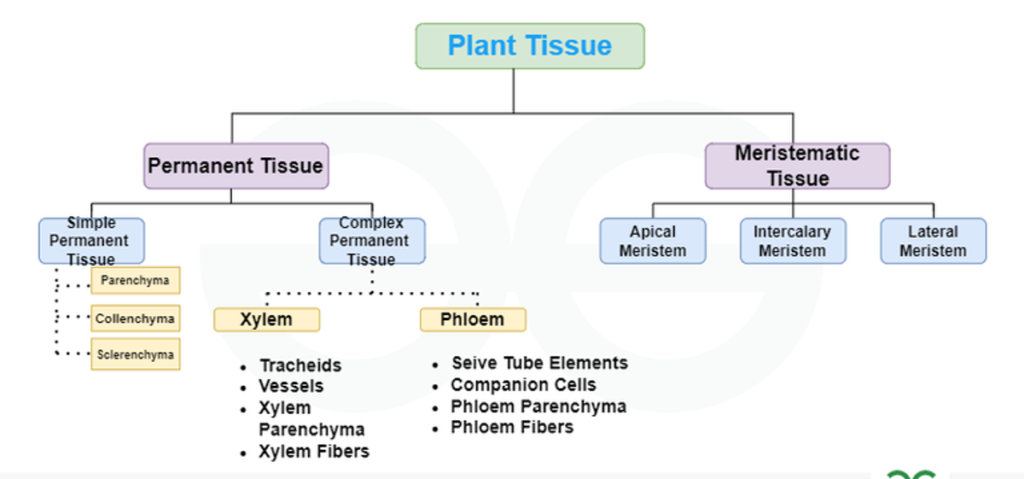
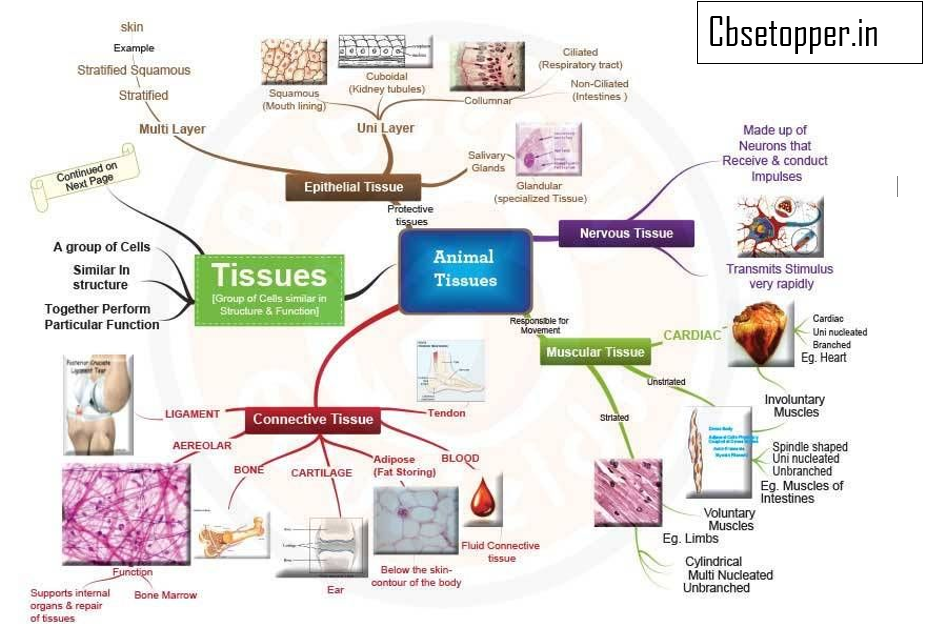
In plants, tissues are broadly categorized based on their dividing capacity into meristematic and permanent tissues. Meristematic tissues consist of actively dividing cells that facilitate growth in length and girth, whereas permanent tissues are specialized cells that have lost the ability to divide and instead perform dedicated roles like protection, support, and conduction. In animals, tissues are classified into four primary groups: epithelial, connective, muscular, and nervous tissues. Each of these groups is structurally adapted to meet the dynamic demands of animal life, such as locomotion, rapid communication, and internal transport.
To help students navigate this vital chapter with absolute clarity, this section provides exhaustive, step-by-step solutions to all the in-text questions scattered throughout the NCERT textbook. These solutions are framed using the exact scientific vocabulary and structured formats that CBSE board examiners look for when grading answer scripts. By studying these model answers, students will learn how to present their knowledge logically, use appropriate diagrams, and secure maximum marks in their assessments.
Part 1: In-Text (In-Between Chapter) Questions Solved
Question 1: How is the study of cells and tissues significant for understanding the life processes and human welfare? [Page 29]
Answer:
The study of cells and tissues is fundamental to understanding how multicellular organisms survive, grow, and interact with their environment.
- Understanding Life Processes: It explains how individual cellular activities are coordinated to perform complex physiological functions like respiration, digestion, and circulation. For instance, knowing how muscle tissues contract helps us understand locomotion.
- Human Welfare and Medicine: Knowledge of tissue structure and function is crucial for medical advancements, such as tissue engineering, organ transplants, and understanding diseases like cancer (uncontrolled cell division).
- Agriculture and Biotechnology: In plants, understanding vascular and meristematic tissues helps in developing high-yield crop varieties, micropropagation (tissue culture), and disease-resistant plants.
Question 2: How are tissues in plants and animals different, and why? [Page 29]
Answer:
Plant and animal tissues differ significantly due to their contrasting lifestyles, structural requirements, and modes of nutrition.
| Feature | Plant Tissues | Animal Tissues |
|---|---|---|
| Mobility | Plants are stationary; hence, their tissues provide structural support and rigidity. | Animals are mobile; their tissues are flexible to facilitate locomotion. |
| Living vs. Dead Cells | Contain a large proportion of supportive, dead cells (e.g., sclerenchyma) to withstand environmental stress. | Mostly consist of living cells that require continuous energy and nutrients. |
| Growth Pattern | Growth is localized to specific regions (meristems) and continues throughout life. | Growth is uniform and generally stops after reaching maturity. |
| Energy Consumption | Require less energy; tissues are adapted for passive transport and support. | Require high energy; tissues are highly active and vascularized. |
Question 3: How is the division of labour at various levels of organisation in multicellular organisms correlated with their structure and function? [Page 29]
Answer:
In multicellular organisms, division of labor ensures that specific tasks are allocated to specialized groups of cells, which prevents cellular fatigue and increases overall efficiency. This is directly correlated with their hierarchical structure:
- Cellular Level: Specialized organelles perform specific tasks within a cell (e.g., mitochondria for respiration).
- Tissue Level: Cells of similar structure group together to perform a single function (e.g., muscle cells form muscle tissue to bring about movement).
- Organ Level: Different tissues work in unison to perform a broader function (e.g., the stomach contains epithelial tissue for secretion, muscular tissue for churning, and nervous tissue for control).
- Organ System Level: Multiple organs coordinate to carry out a major life process (e.g., the digestive system). This structural specialization ensures that each tissue is perfectly shaped and positioned to perform its designated function.
Question 4: What makes cells group together to form tissues? [Page 29]
Answer:
Cells group together to form tissues due to chemical signals, cellular adhesion molecules, and a shared developmental origin. During embryonic development, cells undergo differentiation, where they express specific genes that dictate their structure and function. These similar cells produce extracellular matrices and cell junctions that bind them physically, allowing them to work coordinately as a single functional unit to perform a specific task that a single cell cannot accomplish alone.
Question 5: Why do some tissues grow throughout life while others do not? [Page 29]
Answer:
This difference is primarily due to the evolutionary adaptations of plants and animals:
- In Plants: Plants are stationary and must continuously adapt to their environment, regenerate damaged parts, and grow toward resources like sunlight and water. Therefore, they retain localized regions of actively dividing cells called meristematic tissues that grow throughout their lifespan.
- In Animals: Animals are mobile and have a highly coordinated, compact body design. Their organs grow uniformly until they reach a genetically predetermined size and shape at maturity. After this, cell division is limited to repairing worn-out tissues and healing wounds, rather than continuous growth.
Question 6: What trend do you observe in the root growth data of onion bulbs in Jar A and Jar B? What do you infer? [Page 30]
Answer:
- Observed Trend: The roots of the onion bulb in Jar A continue to grow steadily in length day after day. In contrast, the roots of the onion bulb in Jar B stop growing completely after their tips are cut on Day 3.
- Inference: This observation proves that the growth of roots in plants occurs only at their outermost tips. These tips contain a specialized growth zone made of actively dividing cells, known as the apical meristem. Removing the root tips removes these dividing cells, thereby halting any further elongation.
Question 7: Why do the cells of meristematic tissues lack vacuoles? [Page 31]
Answer:
Meristematic cells are actively and continuously dividing to produce new cells. They do not require vacuoles for the following reasons:
- No Storage Needed: Vacuoles primarily store food, water, and cellular waste. Meristematic cells have a high metabolic rate and utilize nutrients immediately for cell division, leaving no need for storage.
- Hindrance to Division: Large, turgid vacuoles fill up the cell volume and push the nucleus to the periphery. For rapid cell division, the cell needs a centrally located, prominent nucleus and dense, flexible cytoplasm.
- Cell Wall Flexibility: Vacuoles provide rigidity to plant cells. Meristematic cells need thin, flexible primary cell walls to stretch and divide easily.
Question 8: Are all the cells in the transverse section of a sunflower stem similar in shape and size? What might be the reason? [Page 31/32]
Answer:
No, the cells in the transverse section of a sunflower stem are highly diverse in shape, size, and wall thickness.
- Reason for Diversity: This structural variation is due to cellular differentiation. As meristematic cells mature, they lose their ability to divide and undergo structural modifications to perform specific permanent functions. For example, epidermal cells are flat and tightly packed for protection, parenchyma cells are thin-walled and round for storage, collenchyma cells have thickened corners for flexibility, and xylem vessels are tubular and lignified for water conduction.
Question 9: What protects plants from mechanical injury, water loss, harmful microorganisms, and extreme environmental conditions? [Page 32]
Answer:
The protective function in plants is carried out by the Epidermis (and the Bark/Cork in older plants):
- Cuticle: The epidermis is covered by a waxy, water-resistant layer called the cuticle (made of cutin), which minimizes water loss through transpiration and prevents the entry of parasitic fungi and bacteria.
- Compact Arrangement: Epidermal cells form a continuous, tightly packed single layer without intercellular spaces, acting as a physical barrier against mechanical injury.
- Suberin in Cork: In older stems, the epidermis is replaced by cork cells, which contain a chemical called suberin. Suberin makes the bark impermeable to water and gases, protecting the inner tissues from extreme weather and physical damage.
Question 10: What keeps a plant upright? Why does a fresh twig bend but a dry twig break? Why are seed coats hard and how do aquatic plants float? [Page 33]
Answer:
These diverse mechanical and physiological functions are performed by different simple permanent supporting tissues:
- Upright Support: Sclerenchyma tissue, with its thick, lignified cell walls, provides mechanical strength and rigidity, keeping the plant upright.
- Twig Bending vs. Breaking: A fresh twig contains Collenchyma tissue, which has uneven pectin depositions at cell corners, providing high tensile strength and flexibility (allowing it to bend). A dry twig has lost its living collenchyma cells and moisture, leaving only brittle, dead sclerenchyma fibers that snap under pressure.
- Hard Seed Coats: The hardness of seed coats and nut shells is due to the presence of tightly packed, dead Sclerenchyma cells (sclereids) with heavily lignified walls.
- Floating of Aquatic Plants: Aquatic plants contain a specialized parenchyma called Aerenchyma, which has large air cavities. These cavities trap air, providing buoyancy that helps the plants float.
Question 11: How does water reach the leaves of tall trees? How does food prepared in leaves reach other parts of the plant? [Page 34]
Answer:
Plants utilize complex permanent conducting tissues (vascular tissues) for long-distance transport:
- Water Transport: Water and dissolved minerals are absorbed by root hairs and transported upward against gravity through the Xylem (specifically via tracheids and vessels). This upward movement is driven by transpiration pull—a suction force created by the evaporation of water from leaf stomata.
- Food Transport: Synthesized organic food (sucrose) is transported from the leaves to all other parts of the plant (roots, fruits, growing tips) through the Phloem (specifically via sieve tubes and companion cells). This active, two-way transport process is called translocation.
Question 12: Pause and Ponder 1: You may have noticed that fibres of coconut husk are hard and brittle, whereas the leaf stalks of coriander are soft and flexible. Find out the reason. [Page 34]
Answer:
- Coconut Husk: It is composed entirely of dead Sclerenchyma fibers. The cell walls of sclerenchyma are heavily thickened with lignin, a rigid chemical cement that makes the fibers extremely hard, stiff, and brittle.
- Coriander Leaf Stalks: They are composed of living Collenchyma tissue. The cell walls of collenchyma are unevenly thickened with pectin and cellulose, which provide mechanical support while retaining high elasticity and flexibility, making the stalks soft and bendable.
Question 13: Pause and Ponder 2: Why do you think that a thick cuticle on the outer wall of epidermis is advantageous for a plant living in the desert but disadvantageous for a plant living underwater? [Page 35]
Answer:
- Desert Plants (Xerophytes): A thick, waxy cuticle is highly advantageous because it acts as a barrier to water vapor, drastically reducing water loss through transpiration in extremely hot and dry environments.
- Submerged Aquatic Plants (Hydrophytes): A thick cuticle would be highly disadvantageous. These plants do not face the risk of water loss; instead, they absorb water, dissolved minerals, and carbon dioxide directly from the surrounding water through their epidermal cell walls. A thick, impermeable cuticle would block this direct absorption and gaseous exchange, suffocating the plant.
Question 14: Pause and Ponder 3: Once water is absorbed by plant roots, it has to travel against gravity through xylem. How do the ‘dead’ cells of the xylem work together with the living cells of leaves at the top to keep the water moving? [Page 35]
Answer:
The transport of water through the dead cells of xylem (vessels and tracheids) is a physical process driven by the metabolic activities of living cells in the leaves:
- Transpiration: Living mesophyll cells in the leaves lose water vapor to the atmosphere through stomata.
- Transpiration Pull: This water loss creates a state of water deficit in the leaf cells, drawing water from the neighboring xylem vessels. This continuous pull acts like a suction straw, creating a continuous, unbroken column of water from the roots to the leaves.
- Cohesion and Adhesion: The physical properties of water molecules (cohesion—attraction to each other; adhesion—attraction to the hydrophilic walls of dead xylem vessels) ensure that the water column does not break under tension.
Question 15: Pause and Ponder 4: What do you think will happen if there were no stomata in the epidermis of the stem or leaves? [Page 35]
Answer:
If there were no stomata, the plant would face catastrophic physiological failures:
- No Gaseous Exchange: The plant would not be able to take in carbon dioxide for photosynthesis or release oxygen, halting food production. It would also fail to take in oxygen for cellular respiration.
- Loss of Transpiration Pull: Without stomatal transpiration, there would be no suction force to pull water and minerals up from the roots, leading to nutrient starvation.
- Temperature Regulation Failure: Plants would lose their evaporative cooling mechanism, causing them to overheat and die under direct sunlight.
Question 16: Which tissue helps you move? Which tissue enables you to sense heat or cold? Which tissue allows oxygen to enter the blood? Which tissue holds the body together so that the skin does not fall off? [Page 35]
Answer:
- Movement: Muscular tissue (specifically skeletal muscles attached to bones).
- Sensing Heat/Cold: Nervous tissue (sensory neurons with receptors in the skin).
- Oxygen Entry into Blood: Epithelial tissue (specifically simple squamous epithelium lining the alveoli of the lungs, which allows rapid diffusion of gases).
- Holding the Body Together: Connective tissue (specifically areolar connective tissue and fibrous proteins that anchor the skin to the underlying muscles).
Question 17: How are various parts connected in our body? [Page 36]
Answer:
Various parts of our body are connected by specialized Connective Tissues. These tissues consist of cells embedded in an extracellular matrix:
- Blood: A fluid connective tissue that circulates throughout the body, transporting nutrients, oxygen, hormones, and wastes, thereby chemically connecting all organs.
- Bones and Cartilage: Provide a structural framework that physically connects and supports the body.
- Ligaments: Connect bone to bone at joints, maintaining skeletal stability.
- Tendons: Connect skeletal muscles to bones, transmitting muscular force to bring about movement.
Question 18: Can we control movement in our body? Are there involuntary movements in the body? [Page 38]
Answer:
- Voluntary Movements: Yes, we can consciously control movements like walking, writing, and lifting objects. These are executed by Skeletal Muscles, which are striated, multinucleated, and voluntary.
- Involuntary Movements: Yes, many movements occur automatically without our conscious control, such as the beating of the heart and the peristaltic movement of food in the digestive tract. These are carried out by Cardiac Muscles (in the heart) and Smooth Muscles (in internal organs), which are structurally adapted to work tirelessly and rhythmically.
Question 19: How does the body sense, communicate, and respond? [Page 39]
Answer:
The body senses, communicates, and responds through the coordinated action of the Nervous System and the Musculoskeletal System:
- Sensing: Sensory receptors in our sense organs detect environmental stimuli (like heat, light, or sound) and generate electrical impulses.
- Communication: Nervous tissue (composed of neurons) rapidly transmits these electrical signals along their axons to the brain and spinal cord for processing.
- Responding: The brain processes the information and sends motor commands back via motor neurons to the effectors—our muscles and glands—which contract or secrete substances to produce an appropriate response.
Question 20: How much of your body weight comes from bones? [Page 39]
Answer:
On average, the adult human skeleton accounts for approximately 12 to 15 percent of the total body weight. This percentage can vary slightly depending on factors such as age, gender, physical fitness, and overall body composition.
Question 21: Why do some parts of our body move easily in many directions, while others move only in a single direction? [Page 40]
Answer:
This difference in mobility is determined by the structural design of the joints connecting the bones:
- Multi-directional Movement: Joints like the shoulder and hip are Ball and Socket Joints. The rounded head of one bone fits into a cup-like cavity of another, allowing rotational movement in multiple planes.
- Uni-directional Movement: Joints like the elbow and knee are Hinge Joints. They are structurally restricted by surrounding ligaments and bone shapes to move back and forth in a single plane, much like a door hinge.
Question 22: How does the neck move so freely? [Page 41]
Answer:
The neck moves freely because of a Pivot Joint located between the first two cervical vertebrae (the atlas and the axis) at the base of the skull. This joint allows the skull to rotate, turn, and tilt from side to side, functioning similarly to a cylinder rotating inside a ring.
Question 23: How can such a strong cage (rib cage) move? And why does it need to move? [Page 42]
Answer:
- How it Moves: Although the rib cage is made of strong, rigid bones (ribs and sternum), these bones are connected to the vertebral column and breastbone by flexible hyaline cartilage. This semi-rigid, elastic cartilage allows the joints to yield and bend slightly.
- Why it Needs to Move: The rib cage must expand and contract during breathing. When we inhale, muscles pull the ribs upward and outward, increasing the chest cavity’s volume and drawing air into the lungs. When we exhale, the rib cage relaxes and moves downward, pushing air out.
Question 24: Think as a Scientist: Carrot Phloem Totipotency Experiment [Page 43]
(a) What do you conclude about the characteristics of phloem cells of carrot?
- Answer: Mature, differentiated phloem parenchyma cells of carrot retain the genetic potential to revert to an undifferentiated state (dedifferentiate), divide rapidly, and subsequently redifferentiate into all the cell types required to form a complete, functional plant. This inherent property is called totipotency.
(b) In which of the three combinations would you obtain the highest and lowest biomass? What could be the possible reason(s)?
- Answer:
- Highest Biomass: Obtained in the combination of Light + Air + Liquid Medium with Nutrients. The liquid medium allows uniform nutrient absorption, continuous stirring provides ample oxygen (air) for cellular respiration, and light stimulates photosynthetic pathways and growth hormones.
- Lowest Biomass: Obtained in the combination of Light + No Air + Solid Medium with Nutrients. The lack of air (oxygen) severely restricts cellular respiration, preventing the cells from generating the ATP required for active transport and rapid cell division.
(c) Will you get the same results if you culture animal cells instead of carrot cells?
- Answer: No, you will not get a complete animal from a single differentiated adult animal cell. Unlike plant cells, mature animal cells undergo irreversible differentiation and lose their totipotency. Only specialized embryonic stem cells in animals retain the capacity to form an entire organism.
(d) Think and mention any two commercial applications of the study above.
- Answer:
- Micropropagation (Plant Tissue Culture): Rapidly producing thousands of disease-free, genetically identical plants (clones) from a tiny tissue sample.
- Conservation of Endangered Species: Regenerating rare or threatened plant species from minimal tissue samples to prevent extinction.
Master Plant and Animal Tissues with Expert Answers
To achieve mastery over the chapter “Tissues in Action,” students must develop a clear, comparative understanding of how plant and animal tissues are structured to meet their respective biological needs. Plant tissues are highly localized and divided into zones of growth and zones of permanent function. This structural division allows plants to remain anchored in one place while continuously regenerating leaves, branches, and roots. In contrast, animal tissues are distributed throughout the body in a highly integrated manner, allowing for rapid physiological coordination, sensory perception, and active locomotion.
When preparing for CBSE board examinations, students often struggle with distinguishing between simple permanent tissues (parenchyma, collenchyma, and sclerenchyma) and complex permanent tissues (xylem and phloem). Similarly, in animal tissues, understanding the structural differences between skeletal, smooth, and cardiac muscles is a frequent source of confusion. To resolve these challenges, this guide presents detailed, comparative text tables and structured explanations that highlight the key anatomical and functional differences between these tissues.
This section contains the complete, expert-solved solutions for the official NCERT textbook back-exercises. Each answer has been crafted to meet the highest standards of academic excellence. Underneath every complex or long-form question, a dedicated Topper’s Tip is provided. These tips highlight the exact scientific keywords, structural points, and presentation techniques that board examiners look for when awarding full marks, giving students a distinct competitive edge.
Part 2: Official NCERT Textbook Back-Exercises Solved
Question 1: Meristematic tissues divide repeatedly. What property of their cells allows them to do this? [Page 44]
(i) They have thick walls for protection.
(ii) They contain large vacuoles that store nutrients.
(iii) They have thin walls, dense cytoplasm and large prominent nucleus.
(iv) They are functionally differentiated cells.
Answer: (iii) They have thin walls, dense cytoplasm and large prominent nucleus.
Question 2: If a plant is unable to transport food from leaves to roots which tissue is malfunctioning? [Page 44]
(i) Xylem
(ii) Phloem
(iii) Epidermis
(iv) Sclerenchyma
Answer: (ii) Phloem
Question 3: Why are the epithelial tissues that line an animal’s internal organs usually only one or a few cells thick? [Page 44]
(i) To store food efficiently.
(ii) To provide maximum strength.
(iii) To allow quick exchange of materials across them.
(iv) To reduce friction.
Answer: (iii) To allow quick exchange of materials across them.
Question 4: You can perform these two jumps: Straight-leg jump (keep knees and ankles stiff) and Normal jump (bend knees and ankles naturally). How did your ankle, knee and hip positions differ between the two jumps? [Page 44-45]
Answer:
- Straight-leg Jump: The ankles, knees, and hips remain locked, stiff, and unbent. Upon landing, the impact force is transmitted directly up the skeletal column, causing a harsh, jarring shock to the spine and skull.
- Normal Jump: The ankles, knees, and hips bend smoothly upon landing. This bending action utilizes the muscles, tendons, and joint cartilage to absorb and distribute the kinetic energy of the landing over a longer period, protecting the skeletal system from injury.
Topper’s Tip: When answering movement-based questions, always use terms like “shock absorption,” “force distribution,” and “joint flexion.” Mentioning that bending joints increases the time of impact to reduce force (physics correlation) shows a high level of conceptual integration.
Question 5: Which type of joint is involved when you bend your knees and ankles? [Page 45]
(i) Ball and socket
(ii) Hinge
(iii) Pivot
Answer: (ii) Hinge
Question 6: Assertion-Reason Questions [Page 45]
A. Assertion: Epithelium is well-suited for gas exchange in the lungs.
Reason: It consists of multiple layers of tall cells that slow down diffusion.
- Answer: (iii) (A) is true, but (R) is false.
- Explanation: The epithelium lining the lungs (alveoli) is simple squamous epithelium, which is a single layer of extremely flat cells designed to speed up, not slow down, gas diffusion.
B. Assertion: Cardiac muscle can contract continuously without fatigue.
Reason: Cardiac muscle cells have a high number of mitochondria and an abundant blood supply.
- Answer: (i) Both (A) and (R) are true, and (R) is the correct explanation of (A).
- Explanation: Mitochondria generate the ATP required for continuous contraction, and the rich blood supply ensures a constant delivery of oxygen and nutrients, preventing lactic acid accumulation and fatigue.
C. Assertion: Tendons connect bone to bone and allow joint movement.
Reason: Tendons are made of tough connective tissue that transmits force from muscle to bone.
- Answer: (iv) (A) is false, but (R) is true.
- Explanation: Tendons connect muscle to bone, not bone to bone. Ligaments are the tissues that connect bone to bone.
D. Assertion: In a hinge joint, movement occurs primarily in one plane.
Reason: The bone ends are shaped to allow sliding in all directions.
- Answer: (iii) (A) is true, but (R) is false.
- Explanation: The bone ends in a hinge joint are shaped like a cylinder and a trough, restricting movement to a single plane (like a door hinge), preventing sliding in all directions.
Question 7: Tree Growth Ring Analysis [Page 45-46]
(i) Analyse the graph in terms of the diameter of the stem over time and share the interpretation.
- Answer: The graph shows a direct, positive, and linear relationship between the age of the teak tree and its diameter (DBH). As the tree ages, its diameter increases steadily. This indicates continuous secondary growth driven by the lateral meristem (cambium) year after year.
(ii) What is the relation between the diameter of the teak tree to the annual rings formed?
- Answer: The number of annual rings is directly proportional to the age of the tree, and consequently, to its diameter. Each year, the lateral meristem produces one new concentric growth ring (comprising spring wood and autumn wood). Therefore, a larger diameter corresponds to a higher number of annual rings, allowing scientists to estimate the tree’s age by counting these rings.
(iii) Which specialised tissue is responsible for the girth of the stem and where is it located?
- Answer: The tissue responsible is the Lateral Meristem (specifically vascular cambium and cork cambium). It is located along the outer circumference of the stem and roots, running parallel to the long axis of the plant organs.
Topper’s Tip: For graphical analysis questions, clearly state the independent variable (x-axis, Age) and dependent variable (y-axis, Diameter/Rings). Use the term “Secondary Growth” to explain the increase in girth, as this is the precise botanical term examiners look for.
Question 8: Elephant Debarking Analysis [Page 46]
(i) Which function(s) of the tree is/are hampered by debarking?
- Answer: Debarking removes the outer protective layer (epidermis/cork) and the underlying phloem. This hampers:
- Protection against physical injury, pathogens, and water loss.
- Translocation of synthesized food from the leaves to the roots.
(ii) Which plant tissue would be affected by further damage to the tree trunk even after debarking?
- Answer: Further deep damage would affect the Vascular Cambium (lateral meristem) and the Xylem tissue located deeper within the trunk.
(iii) Which function of the tree would be hampered if the tissues beneath the bark were severely damaged?
- Answer: If the xylem beneath the bark is damaged, the upward transport of water and dissolved minerals from the roots to the leaves will stop, leading to wilting, dehydration, and the eventual death of the tree.
(iv) What assumptions are you making to answer the questions above? How would the answer change if your assumptions are also changed?
- Answer:
- Assumptions: We assume the debarking is “girdling” (done in a complete ring around the trunk) and that the damage is deep enough to sever the phloem and reach the cambium.
- If Assumptions Change: If the debarking is only partial (on one side of the trunk), the remaining intact phloem and xylem on the other side can still transport food and water, allowing the tree to survive and eventually heal the wound through cambial activity.
Question 9: Aamrapali observed that a young mango sapling’s stem bends flexibly during monsoon winds and does not break. Which tissue is responsible for this flexibility? Predict and provide your explanation of the impact if the existing tissue was replaced by sclerenchyma. [Page 46]
Answer:
- Responsible Tissue: Collenchyma tissue, which has cell walls unevenly thickened with pectin at the corners, providing mechanical strength combined with high flexibility.
- Impact of Replacement with Sclerenchyma: Sclerenchyma consists of dead cells with heavily lignified, rigid, and inelastic cell walls. If collenchyma were replaced by sclerenchyma, the young stem would become extremely stiff, rigid, and brittle. Under the force of strong monsoon winds, the stem would be unable to bend and would snap or break easily.
Question 10: Sugarcane Regeneration Experiment [Page 46]
(i) Why were the type ‘B’ cuttings able to grow as sugarcane but type ‘A’ could not?
- Answer: Type ‘B’ cuttings contained nodes with intact intercalary meristems (and axillary buds), which possess actively dividing cells capable of regenerating new shoots and roots. Type ‘A’ cuttings were internodal segments lacking nodes and meristematic tissues, making them incapable of cell division and growth.
(ii) What difference was present in type ‘B’ compared to type ‘A’?
- Answer: Type ‘B’ possessed nodes (the points where leaves and buds arise) containing intercalary meristematic tissue, whereas Type ‘A’ consisted only of internodes (the space between two nodes) made of permanent tissues.
(iii) What observation or measurement was made to determine whether this change had an effect?
- Answer: The observation of sprouting (emergence of green shoots and roots) and the measurement of shoot length over a period of several weeks.
(iv) What parameters should be kept the same for both types of cuttings to ensure a fair comparison?
- Answer: Soil type, water quantity, sunlight exposure, temperature, length and thickness of the cuttings, and depth of planting.
Question 11: Rohan states, “A tissue is a group of similar cells performing similar functions”. Rajiv argues, “this is true in case of simple tissues but little different in case of complex tissues”. Explain. [Page 46]
Answer:
Rajiv’s argument is scientifically accurate.
- Simple Tissues: Consist of cells that are structurally identical (similar in shape, size, and origin) and work together to perform a single function. Examples include parenchyma and collenchyma.
- Complex Tissues: Consist of more than one type of cell that look different and have different structures, yet coordinate closely to perform a common, unified function. For example, Xylem consists of tracheids, vessels, xylem parenchyma, and xylem fibres. Though these cells differ in structure and viability, they work together to transport water and minerals.
Question 12: Coconut husk fibres are used for mats which are tough and fibrous. Which tissue has structural features suitable for providing this strength? Explain why living parenchyma couldn’t serve the same purpose. [Page 46]
Answer:
- Responsible Tissue: Sclerenchyma tissue. Its cells are long, narrow, dead, and have extremely thick walls reinforced with lignin, a chemical substance that acts as cement, providing immense mechanical strength, rigidity, and water resistance.
- Why Parenchyma Cannot Serve This Purpose: Parenchyma cells are living, have thin cellulose walls, and are loosely packed with large intercellular spaces. They are structurally designed for metabolic activities like storage and photosynthesis, lacking the density, hardness, and lignification required to withstand heavy physical wear and tear.
Question 13: Vibha claims, “Meristematic cells are located only at the root and shoot apices”. Is this correct? What question can Neha ask Vibha to help her understand further? [Page 46]
Answer:
Vibha’s statement is incorrect. Meristematic tissues are located at other regions of the plant body as well, not just at the apices.
- Neha’s Question to Vibha: “If meristematic cells are only at the tips, how does a tree trunk increase in thickness (girth) over time, and how does grass regrow after its top is mowed or eaten by herbivores?”
- Explanation: This question will lead Vibha to discover lateral meristems (responsible for girth) and intercalary meristems (responsible for node regeneration).
Question 14: A plant cell and an animal cell are of the same size. (i) Which cell will have a larger vacuole? Give reasons. (ii) What assumptions are you making? [Page 46]
Answer:
(i) Larger Vacuole: The plant cell will have a significantly larger vacuole (often occupying 90% of the cell volume).
- Reasons: Plant cells use the central vacuole to maintain turgor pressure against the rigid cell wall, which provides structural support to the plant. It also serves as a storage reservoir for water, nutrients, and metabolic wastes. Animal cells, if they have vacuoles, have small, temporary ones used for endocytosis or excretion.
(ii) Assumptions: We assume we are comparing a mature, differentiated plant cell (like parenchyma) with a typical animal cell, and not an actively dividing plant meristematic cell (which lacks vacuoles).
Question 15: A textbook states, “Each plant tissue performs only one specific function”. What questions would you ask to critically examine this statement? What examples would you take? [Page 46]
Answer:
To challenge this oversimplified statement, one could ask:
- “Can a single tissue perform both physiological (metabolic) and mechanical (supportive) functions simultaneously?”
- “Do complex tissues contain different cell types that perform distinct sub-functions to achieve a larger goal?”
- Examples to Disprove the Statement:
- Parenchyma: Performs photosynthesis (as chlorenchyma), stores food/water, provides buoyancy (as aerenchyma), and helps in wound healing.
- Xylem: Transports water and minerals (via vessels/tracheids) and simultaneously provides mechanical support to the plant body (via sclerenchymatous xylem fibres).
Master Plant and Animal Tissues with Expert Answers
Step-by-Step NCERT Guide for the 2026-2027 Session
The academic session of 2026-2027 places a strong emphasis on competency-based education, requiring students to apply theoretical concepts to practical, real-world scenarios. This shift means that memorizing definitions is no longer sufficient to secure top grades. Students must understand the experimental setups, analytical graphs, and historical discoveries detailed in the textbook. For instance, understanding the mechanics of F.C. Steward’s carrot tissue culture experiment or the ecological significance of Agrobacterium tumefaciens in genetic engineering is essential for answering high-order thinking skills (HOTS) questions.
To facilitate this deeper level of learning, this section introduces a comprehensive set of extra practice questions. These questions are divided into short-answer and long-answer formats, covering every potential topic that could appear in school tests and board exams. Each question is accompanied by a detailed, high-scoring answer that incorporates the exact scientific terminology required by examiners.
Additionally, where applicable, we have included Quick Memorization Tricks to help students easily recall complex anatomical structures, cell types, and physiological processes. These mnemonic devices are designed to simplify revision, making it easier for students to retain critical information under exam pressure.
Part 3: Extra Short Answer Questions (18-20 Questions)
Question 1: Define differentiation in plant tissues.
- Answer: Differentiation is the process by which newly formed meristematic cells undergo permanent structural and functional changes, losing their ability to divide and becoming specialized to perform specific roles (like support, transport, or storage) as permanent tissues.
Question 2: What is the chemical composition of the waxy layer on the epidermis, and what is its function?
- Answer: The waxy layer is composed of cutin and is called the cuticle. Its primary function is to prevent excessive water loss through transpiration and protect the plant against mechanical injury and parasitic invasion.
Question 3: Name the dead elements of xylem and phloem.
- Answer:
- Xylem: Tracheids, vessels, and xylem fibres are dead.
- Phloem: Phloem fibres are the only dead elements.
Question 4: What are companion cells, and what is their role?
- Answer: Companion cells are specialized living parenchyma cells associated with sieve tubes in the phloem. They regulate the metabolic activities of the sieve tube cells and assist in the active loading and unloading of sugars.
Question 5: State the location and function of intercalary meristem.
- Answer: Intercalary meristem is located at the base of leaves or internodes (e.g., in grasses). Its function is to facilitate the elongation of internodes and regenerate parts of the plant damaged or removed by grazing animals.
Question 6: How does cartilage differ from bone in terms of matrix composition?
- Answer: Cartilage has a soft, elastic, and flexible matrix composed of proteins and sugars. Bone has a hard, rigid, and non-flexible matrix composed of calcium and phosphorus compounds.
Question 7: What is the function of platelets in human blood?
- Answer: Platelets play a critical role in blood clotting (coagulation) at the site of an injury, preventing excessive blood loss and blocking the entry of pathogens into the bloodstream.
Question 8: Why are skeletal muscles called striated muscles?
- Answer: Skeletal muscles are called striated because, when viewed under a microscope, their long, cylindrical fibers exhibit alternating light and dark bands or striations due to the organized arrangement of contractile proteins.
Question 9: What is the structural unit of nervous tissue? Draw its basic components.
- Answer: The structural unit is the neuron (nerve cell). Its three main parts are:
- Cell body (cyton) containing the nucleus.
- Dendrites (short, branched projections that receive signals).
- Axon (a long, single fiber that transmits signals).
Question 10: Differentiate between tendons and ligaments.
- Answer:
- Tendons: Connect skeletal muscles to bones; they are tough, inelastic, and have high tensile strength.
- Ligaments: Connect bones to bones at joints; they are highly elastic, flexible, and provide joint stability.
Question 11: What is the role of aerenchyma in aquatic plants?
- Answer: Aerenchyma is a specialized parenchyma tissue containing large air cavities. It stores oxygen for respiration and provides buoyancy, allowing aquatic plants to float on the water surface.
Question 12: Why is blood considered a connective tissue?
- Answer: Blood is considered a connective tissue because it has a shared embryonic origin with other connective tissues, and its fluid matrix (plasma) circulates throughout the body, physically and chemically connecting all organs by transporting nutrients, gases, and wastes.
Question 13: What is the function of the rib cage?
- Answer: The rib cage forms a protective enclosure around vital thoracic organs (the heart and lungs) and actively participates in breathing by expanding and contracting with the help of intercostal muscles and cartilage.
Question 14: What are fixed joints? Give an example.
- Answer: Fixed joints (fibrous joints) are junctions between bones where no movement is possible. The bones are fused tightly by tough fibrous tissue. Example: The sutures connecting the flat bones of the skull.
Question 15: What is the role of suberin in cork cells?
- Answer: Suberin is a chemical substance deposited in the walls of dead cork cells. It makes the bark impermeable to water and gases, protecting the inner tissues from desiccation, pathogens, and mechanical injury.
Question 16: Name the tissue that lines the inner surface of our respiratory tract and explain its specialization.
- Answer: Ciliated columnar epithelium. It is specialized with hair-like projections called cilia that move rhythmically to push mucus and trapped dust particles forward, clearing the respiratory tract.
Question 17: What is the function of the myelin sheath on an axon?
- Answer: The myelin sheath acts as an electrical insulator around the axon, preventing signal loss and drastically increasing the speed of nerve impulse transmission.
Question 18: Define totipotency.
- Answer: Totipotency is the inherent ability of a single, mature plant cell to dedifferentiate, divide, and redifferentiate into all the specialized cell types required to regenerate an entire, functional organism.
Quick Memorization Tricks for Part 3
- Mnemonic for Simple Plant Tissues:Please Cook Spinach!
- Parenchyma (Living, thin walls, stores food)
- Collenchyma (Living, thickened corners, flexible support)
- Sclerenchyma (Dead, heavily lignified, rigid strength)
- Mnemonic for Connective Tissue Connections:
- Many Tasty Bananas -> Muscle to Bone = Tendon
- Baboons Love Bananas -> Bone to Bone = Ligament
Part 4: Extra Long Answer Questions (10-12 Questions)
Question 1: Explain the classification of meristematic tissues based on their location in the plant body. Support your answer with a neat diagram placeholder.
Answer:
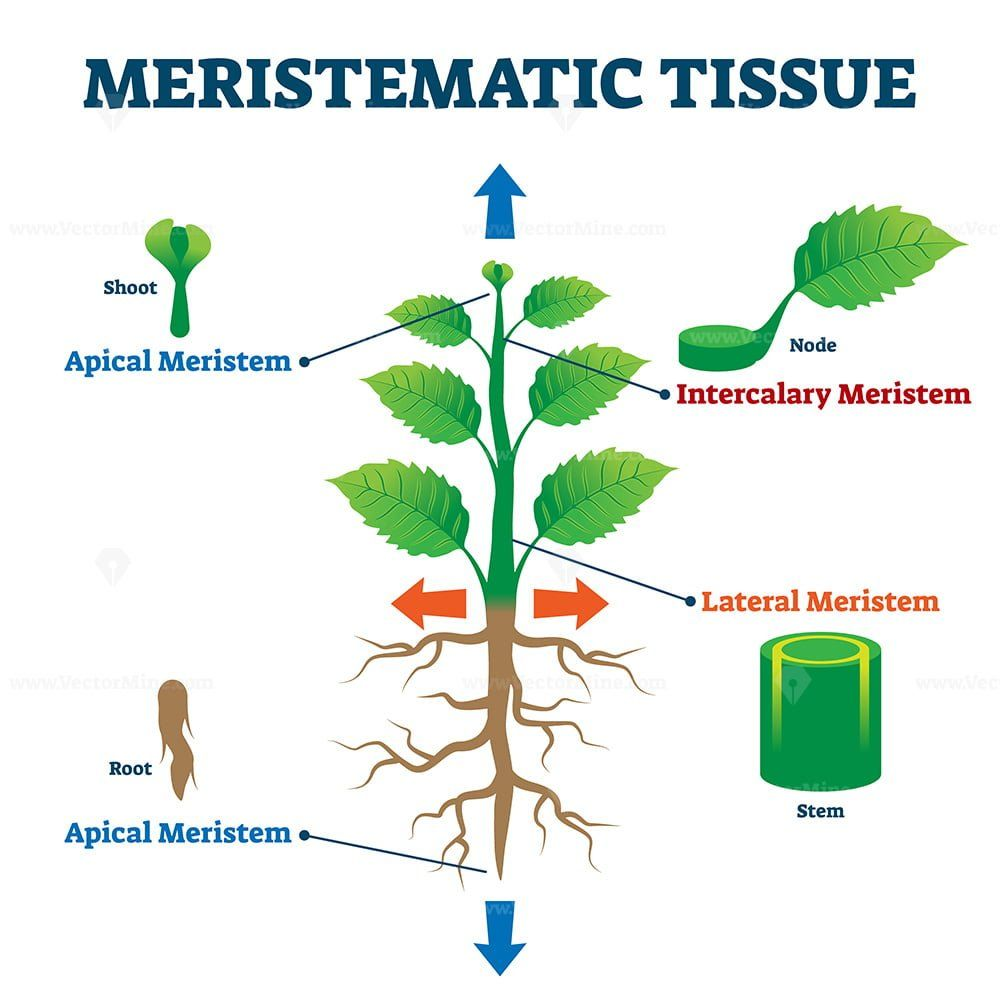
Meristematic tissues are classified into three types based on their specific location, each driving a different aspect of plant growth:
- Apical Meristem:
- Location: Located at the growing tips of stems (shoot apex) and roots (root apex).
- Function: It is responsible for primary growth, which increases the length of the plant body, allowing roots to penetrate deeper into the soil and shoots to grow taller toward sunlight.
- Lateral Meristem (Cambium):
- Location: Located along the lateral sides of the stem and roots, running parallel to the long axis.
- Function: It is responsible for secondary growth, which increases the girth or diameter of the stem and roots, providing structural stability to woody plants.
- Intercalary Meristem:
- Location: Located at the base of leaves or internodes, particularly in monocots like grasses and bamboo.
- Function: It facilitates rapid elongation of internodes and helps the plant regenerate parts that have been removed by herbivores or mowing.
Question 2: Provide a comprehensive, tabular comparison of the three types of muscle tissues found in animals.
Answer:
| Feature | Skeletal Muscle | Smooth Muscle | Cardiac Muscle |
|---|---|---|---|
| Control | Voluntary (under conscious control) | Involuntary (automatic) | Involuntary (automatic) |
| Shape of Cells | Long, cylindrical, unbranched | Spindle-shaped, tapered ends | Cylindrical, branched |
| Nucleus | Multinucleated (many nuclei at periphery) | Uninucleated (single central nucleus) | Uninucleated (single central nucleus) |
| Striations | Present (distinct dark and light bands) | Absent (non-striated) | Present (faint striations) |
| Location | Attached to bones (e.g., limbs) | Walls of internal organs (e.g., stomach) | Found exclusively in the heart wall |
| Fatigue | Fatigues easily after active work | Does not fatigue easily; slow contractions | Never fatigues; works tirelessly throughout life |
Question 3: Describe the structure and functions of the complex permanent tissue Xylem. Why is it considered a complex tissue?
Answer:
Xylem is a complex permanent tissue because it consists of four distinct types of cells that work in a highly coordinated manner to achieve a common function—the transport of water and minerals.
- Components of Xylem:
- Tracheids: Elongated, dead cells with tapering ends and lignified walls. They have pits in their walls to allow lateral water flow.
- Vessels: Long, tube-like structures formed by a row of dead cells placed end-to-end with perforated end walls. They form continuous channels for efficient upward water transport.
- Xylem Parenchyma: The only living cells in xylem. They have thin cellulose walls and function in storing food and assisting in the lateral conduction of water.
- Xylem Fibres: Dead, highly lignified sclerenchymatous fibers that provide mechanical strength and support to the plant body.
- Functions:
- Conduction: Transports water and dissolved mineral nutrients unidirectionally from the roots to the leaves.
- Support: The heavily lignified tracheids, vessels, and fibers provide immense structural strength, helping the plant stand upright.
Question 4: Describe the structure and functions of Phloem. How does it differ functionally from Xylem?
Answer:
Phloem is the complex permanent tissue responsible for the translocation of organic food materials throughout the plant. It consists of four primary components:
- Components of Phloem:
- Sieve Tubes: Long, tubular, living cells placed end-to-end. Their end walls are perforated like a sieve, forming sieve plates. They lack nuclei at maturity to allow unobstructed food flow.
- Companion Cells: Specialized living parenchyma cells closely associated with sieve tubes. They contain dense cytoplasm and a prominent nucleus, which regulates the metabolic activities of the sieve tube cells.
- Phloem Parenchyma: Living cells that store food, resins, latex, and mucilage.
- Phloem Fibres: Dead, thick-walled sclerenchymatous cells that provide mechanical support to the phloem tissue.
- Functional Differences from Xylem:
- Direction of Flow: Xylem transport is strictly unidirectional (upward from roots). Phloem transport is bidirectional (from source leaves to sink storage organs and growing tips).
- Energy Requirement: Xylem transport is largely passive, driven by physical forces like transpiration pull. Phloem translocation is an active process that requires energy in the form of ATP.
Question 5: Explain the structure of a neuron with a detailed description of how nerve impulses are transmitted. Support with a diagram placeholder.
Answer:
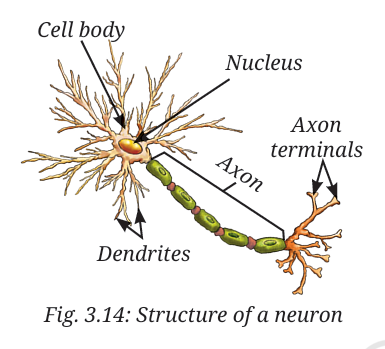
A neuron is the highly specialized structural and functional unit of the nervous system, designed to receive, process, and transmit electrical signals.
- Structure of a Neuron:
- Cell Body (Cyton): Contains a central nucleus, cytoplasm, and organelles. It controls all metabolic activities of the cell.
- Dendrites: Short, highly branched protoplasmic projections arising from the cell body. They act as antennae, receiving chemical signals from other neurons and converting them into electrical impulses.
- Axon: A single, long, cylindrical fiber that carries the electrical impulse away from the cell body. It is often insulated by a fatty myelin sheath to speed up signal transmission.
- Axon Terminals: Fine branches at the end of the axon that terminate in synaptic knobs, which release neurotransmitters to pass the signal to the next cell.
- Mechanism of Transmission:
- Dendrites receive a stimulus and generate an electrical impulse.
- The impulse travels through the cell body and down the axon to the axon terminals.
- At the terminal, the electrical signal triggers the release of chemical neurotransmitters across a microscopic gap (synapse) to stimulate the dendrites of the next neuron.
Question 6: What is the musculoskeletal system? Explain how bones, muscles, tendons, and ligaments coordinate to produce movement at a joint.
Answer:
The musculoskeletal system is an integrated organ system composed of bones, skeletal muscles, cartilage, tendons, ligaments, and joints. It provides structural support, protects internal organs, and enables locomotion.
- Coordination for Movement:
- Bones act as rigid levers, providing the structural framework.
- Skeletal Muscles act as the power source. They can only pull, not push, so they work in antagonistic pairs (e.g., biceps and triceps).
- Tendons are tough, inelastic bands that anchor muscles to bones. When a muscle contracts, the tendon transmits this pulling force directly to the bone.
- Joints act as the fulcrum or pivot point where the bones meet.
- Ligaments hold the bones together at the joint, ensuring stability and preventing dislocation during movement.
- Cartilage cushions the bone ends at the joint, reducing friction and absorbing shocks.
- Under the control of the nervous system, a muscle contracts, pulling the tendon, which rotates the bone around the joint, resulting in smooth, coordinated movement.
Question 7: Discuss the structure, location, and functions of the different types of Epithelial Tissues in animals.
Answer:
Epithelial tissue forms a continuous protective sheet over the body surface and lines internal organs. It is classified based on cell shape and layering:
- Simple Squamous Epithelium:
- Structure: Single layer of extremely thin, flat, irregular cells.
- Location: Lining of blood vessels, lung alveoli, and mouth.
- Function: Facilitates rapid diffusion of gases and filtration of liquids.
- Stratified Squamous Epithelium:
- Structure: Multiple layers of squamous cells stacked on top of each other.
- Location: Skin, esophagus lining.
- Function: Protects underlying tissues from mechanical wear, tear, and friction.
- Columnar Epithelium:
- Structure: Tall, pillar-like cells with nuclei located near the base.
- Location: Lining of the stomach and small intestine.
- Function: Specialized for absorption of nutrients and secretion of digestive enzymes.
- Ciliated Columnar Epithelium:
- Structure: Columnar cells with hair-like cilia on their free surface.
- Location: Respiratory tract, fallopian tubes.
- Function: Rhythmic movement of cilia pushes mucus or cells in a specific direction.
- Cuboidal Epithelium:
- Structure: Cube-shaped cells.
- Location: Kidney tubules, salivary gland ducts.
- Function: Provides mechanical support, secretion, and reabsorption.
Question 8: Explain the concept of “Division of Labor” in multicellular organisms. Compare it with a unicellular organism.
Answer:
Division of labor refers to the allocation of specific physiological functions to specialized groups of cells, tissues, and organs, rather than having a single cell perform all tasks.
- In Unicellular Organisms (e.g., Amoeba):
- A single cell must carry out all life processes, including food capture, digestion, respiration, excretion, and reproduction.
- This limits the organism’s size, structural complexity, and metabolic efficiency, as the cell cannot specialize in any single task.
- In Multicellular Organisms (e.g., Humans, Trees):
- Cells undergo differentiation to form specialized tissues.
- For example, in humans, muscle tissues handle movement, nervous tissues handle communication, and epithelial tissues handle protection.
- In plants, xylem transports water, while parenchyma stores food.
- This specialization prevents cellular fatigue, allows for a larger body size, enables complex behaviors, and drastically increases the overall physiological efficiency and survival rate of the organism.
Question 9: Describe the structure and function of the human skeletal system, focusing on the vertebral column and the rib cage.
Answer:
The human skeletal system is a rigid framework of bones and cartilage that supports the body, protects vital organs, and facilitates movement.
- The Vertebral Column (Spine):
- Structure: Extends from the base of the skull to the pelvis. It is a flexible column made of 33 small, ring-like bones called vertebrae.
- Cartilage Discs: Between adjacent vertebrae are intervertebral discs made of cartilage. These act as shock absorbers and allow the spine to bend, twist, and flex.
- Function: It supports the head and trunk, keeps the body upright, and encloses and protects the delicate spinal cord.
- The Rib Cage:
- Structure: Composed of 12 pairs of curved ribs attached to the vertebral column at the back and to the flat breastbone (sternum) in the front.
- Cartilage Connection: The ribs are joined to the sternum by flexible hyaline cartilage.
- Function: It forms a protective cage around the heart and lungs. Its flexible cartilage connections allow the rib cage to expand and contract during inhalation and exhalation, facilitating breathing.
Question 10: What is plant tissue culture? Explain the steps involved in regenerating a complete plant from a tissue sample, referencing F.C. Steward’s work.
Answer:
Plant tissue culture (micropropagation) is an in vitro technique used to regenerate complete, functional plants from tiny tissue samples (explants) under sterile, controlled laboratory conditions.
- Steps in Plant Tissue Culture (Based on F.C. Steward’s Carrot Experiment):
- Selection of Explant: A small fragment of tissue (e.g., 2-mg phloem fragments from a carrot root) is excised.
- Inoculation: The explant is placed in a sterile liquid nutrient medium containing simple sugars, mineral salts, vitamins, and growth hormones (like auxins and cytokinins).
- Callus Formation (Dedifferentiation): The mature, differentiated cells absorb nutrients, regain their dividing capacity, and divide rapidly to form an unorganized, undifferentiated mass of cells called a callus.
- Embryoid Development (Redifferentiation): The callus cells are transferred to a medium with specific hormone ratios that trigger differentiation, leading to the development of tiny embryonic structures (embryoids).
- Plantlet Formation: These embryoids develop roots and shoots, forming miniature plantlets.
- Hardening and Planting: The plantlets are transferred to soil, where they grow into mature, independent plants.
Score Full Marks with Topper Tips and Extra Questions
To secure a perfect score in the CBSE Class 9 Biology exam, students must adopt a strategic approach to writing their answers. Biology is a highly visual and descriptive science; therefore, answers should always be structured, precise, and supplemented with neat diagrams or flowcharts wherever possible. When asked to differentiate between concepts, students must avoid writing long, unstructured paragraphs. Instead, they should present their answers in a clean, tabular format with clear parameters of comparison, as demonstrated throughout this guide.
Furthermore, mastering the “Topper’s Tips” provided in this guide will help students identify and include the exact keywords that board graders look for. For example, when describing sclerenchyma, the word “lignified” is non-negotiable. Similarly, when explaining the non-fatiguing nature of cardiac muscles, mentioning “abundant mitochondria” and “continuous blood supply” is essential. Incorporating these precise scientific terms immediately signals to the examiner that the student has a deep, professional grasp of the subject matter.
Finally, extract-based questions have become a standard feature of CBSE question papers to test students’ analytical and comprehension skills. This section provides high-quality, curriculum-aligned extract-based questions based on critical passages from the textbook. By practicing these questions, students will learn how to extract key information from a text and apply their biological knowledge to solve complex, multi-part sub-questions with absolute accuracy.
Part 5: Extract-Based Questions
Extract 1:
“The cells of the meristematic tissues are small, have thin cell walls, a large and prominent nucleus, and dense cytoplasm with many organelles. Vacuoles are generally absent and the cells are tightly packed with little or no intercellular space. These characteristics of meristematic tissue allow them continuous and rapid cell division. Due to continuous cell division, meristematic tissue adds new cells to the plant body. Some of the newly formed cells remain meristematic while others lose the ability to divide. The cells that lose the ability to divide undergo changes in structure and function, and become permanent tissues.”
Sub-Questions & Answers:
Question 1: Why do meristematic cells have dense cytoplasm and a prominent nucleus?
- Answer: Dense cytoplasm contains a high concentration of cell organelles required to support rapid metabolic activities, protein synthesis, and organelle replication. A large, prominent nucleus is essential to actively coordinate and control the frequent phases of cell division (mitosis).
Question 2: What is the consequence of meristematic cells lacking intercellular spaces?
- Answer: The absence of intercellular spaces ensures that the cells are compactly packed, providing structural integrity to the rapidly growing tips and preventing any mechanical gaps or structural weaknesses in the zone of active division.
Question 3: Describe the process by which meristematic cells transform into permanent tissues.
- Answer: This process is called differentiation. Once newly formed cells stop dividing, they undergo specific genetic and structural modifications. They acquire a permanent shape, size, and wall thickness, and specialize to perform dedicated physiological functions like protection, support, or conduction.
Question 4: What would happen to a plant if all its meristematic cells lost the ability to divide?
- Answer: If all meristematic cells lost their dividing capacity, the plant would stop growing in height (length) and girth. It would also lose the ability to produce new leaves, flowers, or branches, and would fail to heal wounds or regenerate tissues damaged by herbivores, leading to its eventual death.
Extract 2:
“The cardiac muscles are found only in the heart. Their fibres are cylindrical and branched with a single nucleus, and have faint striations. Cardiac muscles work tirelessly and rhythmically, enabling the heart to beat throughout life without fatigue. The brain acts as the control centre; coordinating activities, memory and responses across the body. Muscles, both voluntary and involuntary, cannot function independently. They receive instructions from the nervous tissue. For example, during exercise, the brain signals the heart to beat faster to meet the body’s increased oxygen demand.”
Sub-Questions & Answers:
Question 1: What structural features of cardiac muscles distinguish them from skeletal muscles?
- Answer: Cardiac muscle fibers are branched, uninucleated (single central nucleus), and have faint striations. In contrast, skeletal muscle fibers are unbranched, multinucleated, and exhibit highly distinct, prominent dark and light striations.
Question 2: How does the nervous system coordinate with cardiac muscles during physical exercise?
- Answer: During exercise, the active skeletal muscles require more oxygen and nutrients. Sensory receptors detect this increased demand and signal the brain (control center). The brain then transmits electrical impulses via involuntary nerves to the cardiac muscle of the heart, instructing it to contract faster and stronger, thereby increasing blood flow and oxygen delivery.
Question 3: Why is the tireless nature of cardiac muscle essential for human survival?
- Answer: The heart must pump blood continuously to deliver oxygen and nutrients to all body tissues, especially the brain, and to remove metabolic wastes. If cardiac muscle experienced fatigue or stopped contracting even for a few minutes, oxygen delivery to the brain would fail, resulting in immediate unconsciousness and irreversible biological death.
Question 4: Identify the type of control (voluntary or involuntary) exhibited by cardiac muscles, and explain why this control mechanism is advantageous.
- Answer: Cardiac muscles are under involuntary control. This is highly advantageous because the beating of the heart must occur continuously and rhythmically without requiring conscious thought or active attention. If heart contractions were voluntary, any lapse in conscious focus (such as during sleep) would cause the heart to stop, leading to immediate death.
Mastering the chapter “Tissues in Action” is an essential milestone for every Class 9 student aiming to excel in the CBSE Biology curriculum. This comprehensive guide has broken down complex anatomical structures, physiological processes, and experimental setups into clear, structured, and high-scoring solutions. By regularly revising these expert-approved answers, practicing the extra questions, and applying the strategic topper tips, students can approach their examinations with absolute confidence. Remember, a deep understanding of tissues is not just about scoring full marks today; it is the key to unlocking the fascinating world of advanced human physiology, medicine, and biotechnology tomorrow. Keep revising, stay curious, and success will surely follow!